
The Design Paradox: Balancing Empathy and Ego
One memorable phrase from our cohort discussions during the Reclaiming Value: Sacred Valley Design Immersion was the need to "balance empathy and ego" in our design work.
In strategic UX and product design, we always talk about empathy. We have to understand our users, listen to their pain points, and deeply care about their environment. But empathy without "ego", the healthy professional confidence in your own expertise, can actually lead to weak design decisions. If you design only what a user or client explicitly asks for, you risk building a fragmented product. True innovation requires a happy medium: you must be empathetic to the customer’s needs, while firmly standing your ground as the expert hired to map out the solution. You are the one who sees the bigger picture and understands what it takes to build a sustainable, unfragile ecosystem.
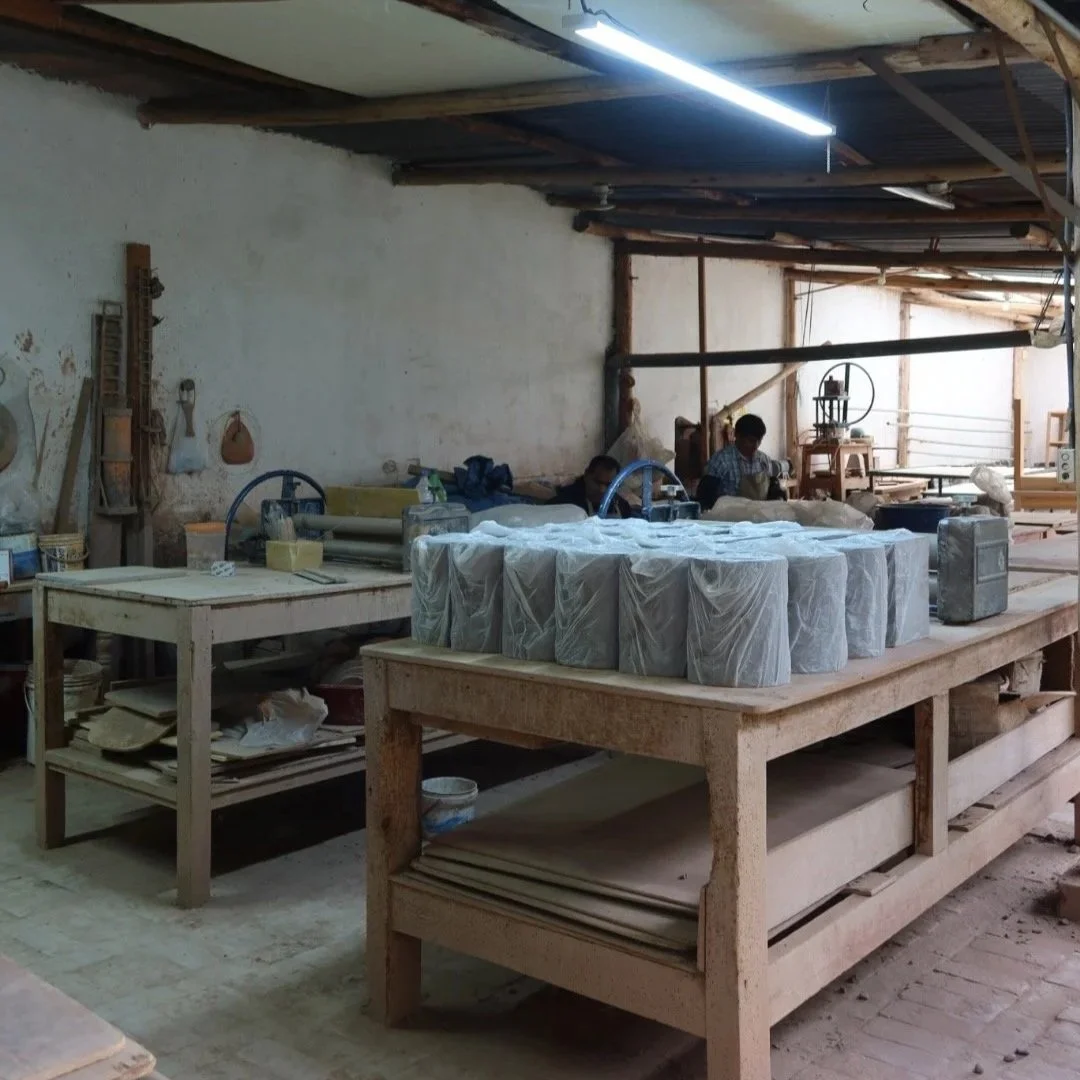
We saw this exact harmony briefly during our visit to Cerámicas Seminario. As artists and designers, they stay deeply connected to what their audience loves and expects: traditional ancient Peruvian aesthetics. Yet, they maintain the professional authority to progress and try new things, actively evolving their practice through advanced design software and 3D alternative materials. They don’t just give people exactly what they've always seen; they use their expertise to guide the craft forward.
At Design Seedling, we hope to build high-stakes product ecosystems with this balance. We listen to the user, but we lead confidently as the experts. Finding that sweet spot between user empathy and professional ego is how we deliver high-quality outcomes that truly work for everyone.